
UnderstandStory
1981: the year a mortgage cost 21.75%
In 1981, the 5-year mortgage rate reached 21.75% in Canada. A look back at an extraordinary year and what it teaches us about our debts.

In brief
The summer of 1981 remains a landmark in Canada’s financial history: a mortgage rate of 21.75%, runaway inflation and families caught out at renewal. The good news is that the lesson still applies, and it is simple: know the real cost of your debts, and don’t wait until you’re stuck to act.
Imagine this: your mortgage contract is coming to an end, your lender sends you its renewal offer for the next few years… and you read: 21.75%. This isn’t a doomsday scenario made up to scare you. It’s the rate Canadian lenders were advertising for a 5-year fixed-rate mortgage (a rate that doesn’t change during the 5 years of the contract) at the end of the summer of 1981. It is the highest level in the country’s history.
A look back at an extraordinary year, and at what it can still teach us today.
The number to remember
21.75%
The rate on a 5-year fixed-rate mortgage in the summer of 1981: the highest in all of Canada’s history.
A record that has never been matched
Between August 12 and October 7, 1981, the posted rate for a 5-year fixed mortgage peaked at 21.75%, according to NerdWallet Canada1. At the same time, the big banks’ prime rate, meaning their reference rate, which is used to set lines of credit and variable-rate mortgages, reached 22.75%2. The Bank of Canada’s rate, the one that guides every other rate in the country, also went above the 20% mark3.
And it wasn’t a one-day peak. Fixed 5-year rates stayed above 15% for about two years, from the fall of 1980 to the fall of 1982, as The Globe and Mail pointed out4. It took until 1983 to see them fall back to roughly half of their peak.
Why did rates soar?
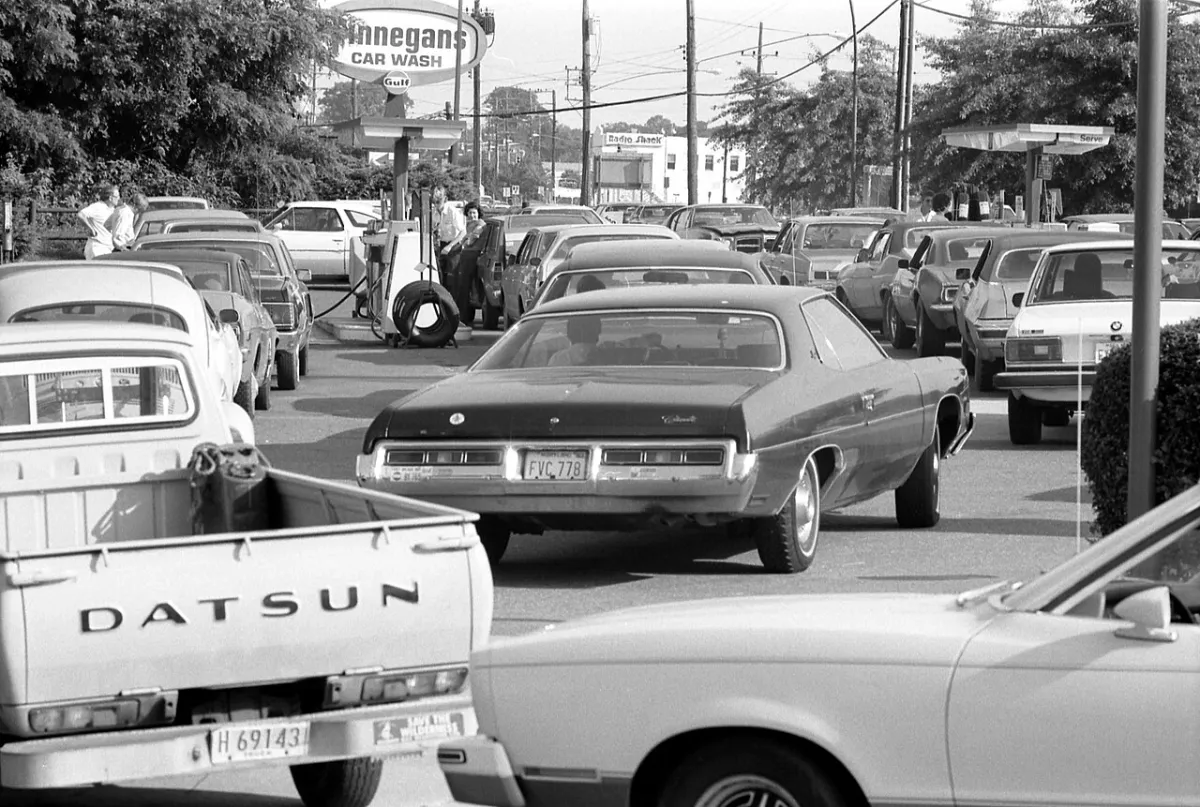
The main cause comes down to one word: inflation, the general rise in prices. At the end of the 1970s, the Iranian revolution made oil production plunge. Energy prices soared, pulling up the prices of almost everything else. In Canada, as in the other major industrialized countries, inflation went above 12% in 1981: what cost $100 at the start of the year cost $112 a year later.
To break this spiral, the Bank of Canada, like the U.S. Federal Reserve (the central bank of the United States), raised its rates sharply. The idea: when borrowing costs a lot, people and businesses spend less, and prices eventually calm down. The remedy works, but it is harsh: the country plunged into the 1981-1982 recession (a period when the economy shrinks), unemployment climbed, and many households struggled to keep up with their payments.
From the oil crisis to today: a timeline
- 1979The Iranian revolution makes oil production plunge. Energy prices soar.
- 1980In the fall, fixed 5-year mortgage rates go above 15%.
- 1981In August, an all-time record: 21.75% for a fixed 5-year rate, 22.75% for the prime rate.
- 1982The country is in a recession. Rates stay above 15% until the fall.
- 1983Mortgage rates fall back to about half of their peak.
- 2026In the fall, the Bank of Canada’s policy rate is 2.25%.
What did that look like in practice?
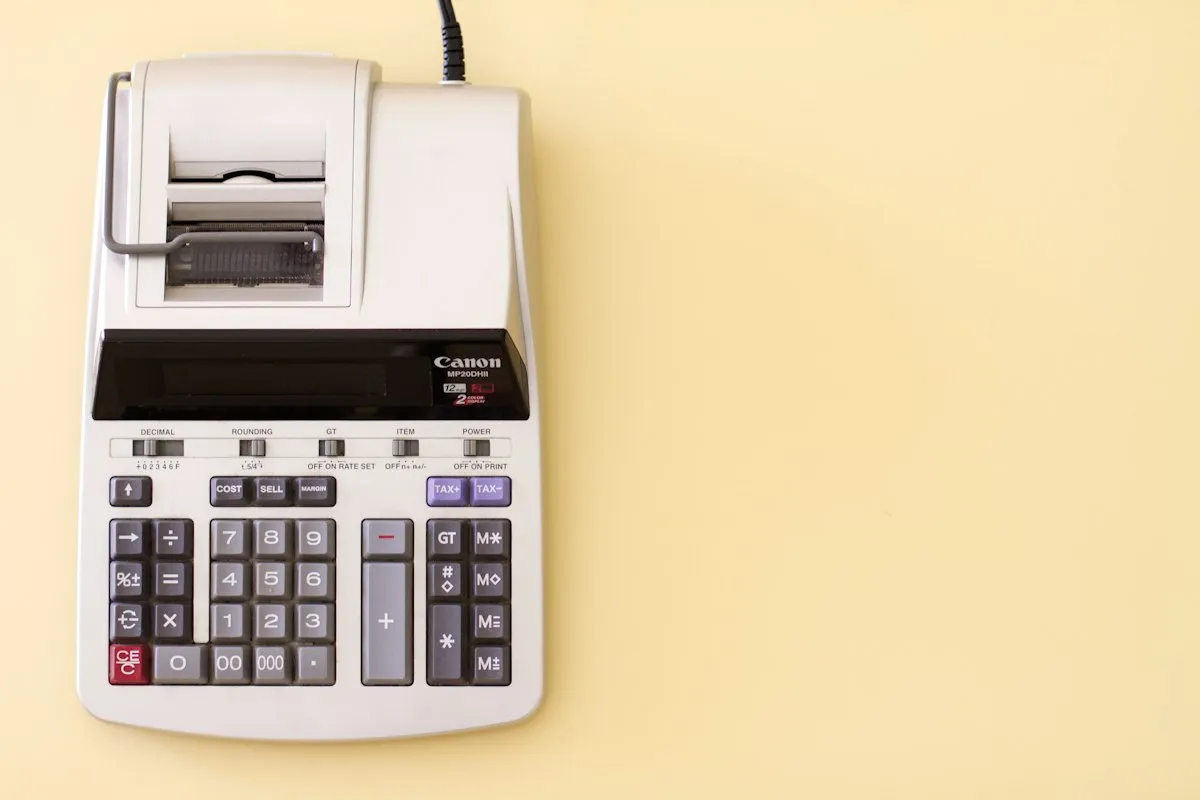
Take a simple example: a $100,000 mortgage repaid over 25 years.
- At 21.75%, the monthly payment comes to about $1,745. In the first month, about $1,735 goes to interest. Only about ten dollars is left to repay the principal, meaning the amount you actually borrowed: less than 1% of the payment.
- At 4.5% (a rate used here for illustration only), the same loan costs about $553 a month.
Illustrative calculations, using the Canadian calculation method. The 4.5% rate is an example, not an offer.
View the data
| Interest | Principal | Total payment | |
|---|---|---|---|
| 1981, at 21.75% | $1,735 | $10 | $1,745 |
| Current example, at 4.5% | $371 | $182 | $553 |
In other words, in 1981 the same loan cost more than three times as much every month. For many families, the shock didn’t come from the purchase but from the renewal: the mortgage contract ends at the wrong time, the new rate is much higher, and the payment jumps by several hundred dollars for the same debt.
Illustrative calculations, using the interest calculation method used for mortgages in Canada. They are not an offer of financing.
And today?

In the fall of 2026, the Bank of Canada’s policy rate5 stands at 2.25%. It is the rate the Bank sets to influence all the others: those of banks, lines of credit and mortgages. We are very far from 1981. Mortgage rates of 21% seem to belong to another century.
Yet those rates haven’t completely disappeared: they have moved. According to Protégez-vous6, the going rate on a credit card is between 19% and 21%. In other words, an unpaid credit card balance today costs about what a mortgage cost in 1981.
On a balance of $10,000 at 19.99%, that comes to about $167 in interest every month, before you’ve repaid a dollar of the debt.
Mortgages: Canadian calculation method. Credit card: balance × rate ÷ 12. The 4.5% rate is an example.
View the data
| Type of debt | Rate | First-month interest |
|---|---|---|
| Mortgage in 1981 | 21.75% | $174 |
| Credit card today | 19.99% | $167 |
| Mortgage today (example) | 4.5% | $37 |
Three lessons from 1981 for your budget
1. Prepare for your renewal ahead of time. Nobody can predict where rates will be in five years. It’s prudent to check that your budget could handle a higher payment. That is, in fact, the spirit of the “stress test” required of borrowers today: the lender checks that you could still pay if your rate were higher. Our article on how to determine your borrowing capacity can help you run that calculation.
2. Keep an eye on high-rate debts. In 1981, it was the mortgage. Today, it’s mostly cards and some personal loans. Listing your debts with their real rates is often the first step toward a lighter budget.
3. Look at all the options, with their advantages and their costs. For some homeowners, bringing costly debts into their mortgage (that is, increasing the mortgage loan to repay their other debts and having just one payment, at a lower rate) can reduce monthly payments. But stretching out the repayment period can also increase the total interest paid: each situation has to be looked at case by case. To learn more, see our page on debt consolidation.
Wondering what your debts really cost, and what options you have? Book a free, no-obligation consultation with the ZenFi team.
Frequently asked questions
What was the highest mortgage rate in Canadian history?
The record is 21.75% for a 5-year fixed-rate mortgage, between August and October 1981. Banks’ prime rate had then reached 22.75%.
Why were rates so high in 1981?
Inflation was above 12% after the oil shocks of the late 1970s. The Bank of Canada raised its rates sharply to bring it down, at the price of a severe recession in 1981-1982.
Could rates go back to that level?
Nobody can predict how rates will move. Today’s context is very different from 1981, but the episode is a reminder of the importance of leaving a margin in your budget, especially as a renewal approaches.
Sources
- NerdWallet Canada, “Mortgage Rate History in Canada” (opens in a new tab).
- Ratehub, “How high can mortgage rates rise?” (opens in a new tab).
- LowestRates, “Historical mortgage rates in Canada” (opens in a new tab).
- The Globe and Mail, “Remember when” (opens in a new tab).
- Bank of Canada, “September 2026 announcements” (opens in a new tab).
- Protégez-vous, “Taux des cartes de crédit” (opens in a new tab) (in French).
This article is provided for information only and is not personalized financial advice. The rates mentioned are historical or illustrative and may change without notice. Any financing solution is subject to credit approval.
This article is a translation of the French version, which is the reference text.
Groupe ZenFi (9498-0356 Québec inc.), a Quebec mortgage brokerage firm registered with the Autorité des marchés financiers (AMF), client number 3003043028.
Let’s talk about your situation.
Fifteen minutes on the phone to see whether folding your debts into your mortgage makes sense for you. If it doesn’t, we say so.
Free consultation, no obligation.